What Reference Guides Football Decision Makers?
03 August

What Reference Guides Football Decision Makers?

Football organisations often create titles before clearly defining the problems those roles are meant to solve. Using the CDEF football reference and an ancient observation from King Solomon, this article examines how clearer problem definition, better evaluation of capability and the correct working order can improve football recruitment, leadership and long-term development.

Read More
Terminology Influences Behaviour: Is Football Using the Wrong Language?
25 July

Terminology Influences Behaviour: Is Football Using the Wrong Language?

Football terminology does more than describe roles, it influences how clubs make decisions, how coaches design training and how players understand the game. Using Raymond Verheijen’s CDEF reference, this article challenges terms such as Performance Coach, goalkeeper, defender and attacker, and explains why more football-correct language may lead to more football-correct behaviour.

Read More
What Does Football Development Really Mean? Why the Game Is the Greatest Teacher
02 May

What Does Football Development Really Mean? Why the Game Is the Greatest Teacher

Football development is often credited to the coach or the individual player, but the real teacher is the game itself. This blog explores why players develop best through realistic football situations, not isolated drills, and explains how the CDEF framework — Communication, Decision-Making, Execution, and Football Fitness — helps us understand true player development. At the grassroots level, where contact time is limited, meaningful football friendlies may offer greater developmental value than repeated isolated training sessions.

Read More
Coaching Children with the CDEF Framework
09 January

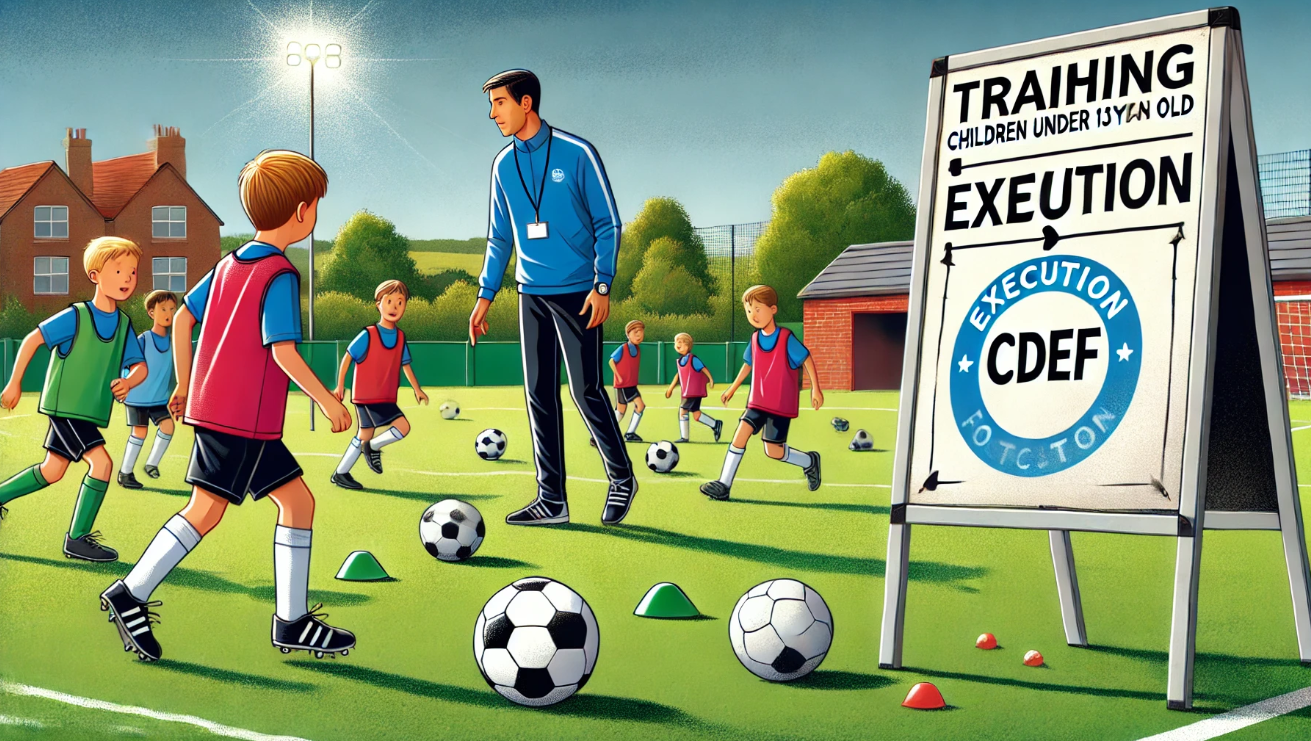
Coaching Children with the CDEF Framework

Coaching children is like nurturing a garden—each player requires a tailored approach to thrive. This blog introduces the CDEF framework (Communication, Decision Making, Execution, and Football Fitness) and explains how to prioritize its elements based on players' developmental stages. With a focus on execution for younger players (ages 6–12) and gradual integration of cognitive skills as they grow, the framework ensures age-appropriate, impactful training. Discover how this structured approach can unlock potential, build confidence, and prepare players for more advanced tactical demands. Stay tuned for the next blog on training strategies for older players!

Read More
Developing Football-Specific Fitness Through the CDEF Framework
07 January

Developing Football-Specific Fitness Through the CDEF Framework

Football-specific fitness isn’t built through isolated drills; it’s a byproduct of Communication, Decision Making, and Execution (CDE) during real-game scenarios. This blog explores how the CDEF framework aligns fitness training with the realities of match play, ensuring players develop the ability to perform and sustain high-quality football actions throughout the game. Discover how to integrate this approach into your coaching to prepare your players for the true demands of football.

Read More
How Do You Analyse Football?
03 January

How Do You Analyse Football?

How do you analyse football effectively? This blog introduces the CDEF framework, a universal and systematic approach to analysing football by breaking it into its core components: Communication, Decision Making, Execution, and Fitness. Discover how this method helps coaches identify and solve problems systematically, whether at the football, basic action, or movement level. Say goodbye to trial and error and let football itself guide your coaching process. Together, let's elevate the sport with informed, objective decisions.

Read More
Is Football an Absolute Sport or a Relative Sport?
03 January

Is Football an Absolute Sport or a Relative Sport?

Is football an absolute sport or a relative one? This blog explores the situational nature of football, where every action is dictated by the context of the game. Discover why training must reflect the dynamic and unpredictable demands of football rather than rely on outdated practices like running laps. Learn how the CDEF framework can revolutionize coaching by aligning training with real match scenarios, and helping players develop football-specific fitness, situational awareness, and decision-making skills. Coaches, it's time to let the game guide your methods!

Read More
Effect (Objective) → Cause (Subjective): The CDEF Framework for Coaching Consistency
01 January

Effect (Objective) → Cause (Subjective): The CDEF Framework for Coaching Consistency

Understanding the distinction between Effect (Objective) and Cause (Subjective) thinking is vital for consistent and effective coaching. This blog highlights the common pitfalls of thinking subjectively first and presents the CDEF framework as a solution to bring clarity and structure to coaching. Learn how describing the Effect before explaining the Cause can transform your approach, build trust, and create a reliable environment for players, fans, and the club. Dive in to discover actionable insights and practical tips to elevate your coaching game.

Read More